Emergency tree removal Whitechapel gardeners same day service: what to do when a tree becomes a risk
If a tree has split, tilted, dropped heavy limbs, or started rubbing against a roof or boundary wall, you do not have time for guesswork. Emergency tree removal Whitechapel gardeners same day service is about getting a dangerous tree assessed and dealt with quickly, safely, and with as little disruption as possible. In a busy place like Whitechapel, that matters even more. A cracked trunk over a pavement, a storm-damaged branch hanging over a garden path, or a root-battered tree leaning after wind can turn from "we'll sort it later" into "we need this handled now" very quickly.
This guide explains how same-day emergency tree work usually works, when removal is the right call, what to expect from a professional visit, and how to avoid common mistakes when time is tight. You will also find a practical checklist, a comparison table, and answers to the questions people ask most when a tree suddenly becomes a problem.
Table of Contents
- Why Emergency tree removal Whitechapel gardeners same day service Matters
- How Emergency tree removal Whitechapel gardeners same day service Works
- Key Benefits and Practical Advantages
- Who This Is For and When It Makes Sense
- Step-by-Step Guidance
- Expert Tips for Better Results
- Common Mistakes to Avoid
- Tools, Resources and Recommendations
- Law, Compliance, Standards, or Best Practice
- Options, Methods, or Comparison Table
- Case Study or Real-World Example
- Practical Checklist
- Conclusion
- Frequently Asked Questions
Why Emergency tree removal Whitechapel gardeners same day service Matters
Not every tree problem is an emergency. Some can wait for a planned visit, a light pruning, or a bit of monitoring. But once a tree becomes unstable, damaged, or clearly hazardous, delay is where the trouble starts. Same-day tree removal matters because trees do not always fail in neat, predictable ways. A limb can hang for hours and then come down in a gust. A trunk can split along a hidden weakness. A root plate can lift after heavy rain and shift again overnight.
In Whitechapel, there is also the practical issue of space. Front gardens can be tight, access can be awkward, and neighbouring properties are often close enough that one falling branch is not just your problem. It can affect shared access, boundary walls, parked cars, fences, sheds, or footpaths. That is why emergency response is about more than cutting wood. It is about reducing immediate risk.
There is another thing people sometimes overlook: speed without care is not a service. The goal is not simply to remove a tree fast. The goal is to remove the danger without creating a bigger one. A rushed job can leave unstable timber, damaged paving, poor stump handling, or unsafe debris. A proper same-day response is structured, calm, and tidy. To be fair, that is what most people want when the wind has already done enough damage.
If you are exploring wider support after the emergency, it can help to review the wider gardening and outdoor services overview so you can see how tree work fits alongside other garden care, or read more about the team's approach on the about us page. That broader picture can be reassuring when you are dealing with more than one issue at once.
How Emergency tree removal Whitechapel gardeners same day service Works
Same-day emergency tree removal normally follows a fairly simple pattern, though the exact order depends on the risk level, weather, and access. A quick call or message is usually followed by a short triage conversation. That first conversation matters a lot. It helps determine whether the tree is genuinely dangerous, whether partial works might be enough, and whether the visit needs to happen immediately or later that day.
The team will usually want to know what has happened, where the tree is, whether it is touching wires or buildings, and whether anybody is currently in danger. If a tree is blocking access or has fallen across a boundary, photos can be helpful. Not because they replace an inspection, but because they give a first look at the situation. That often saves time, and in an emergency time is everything.
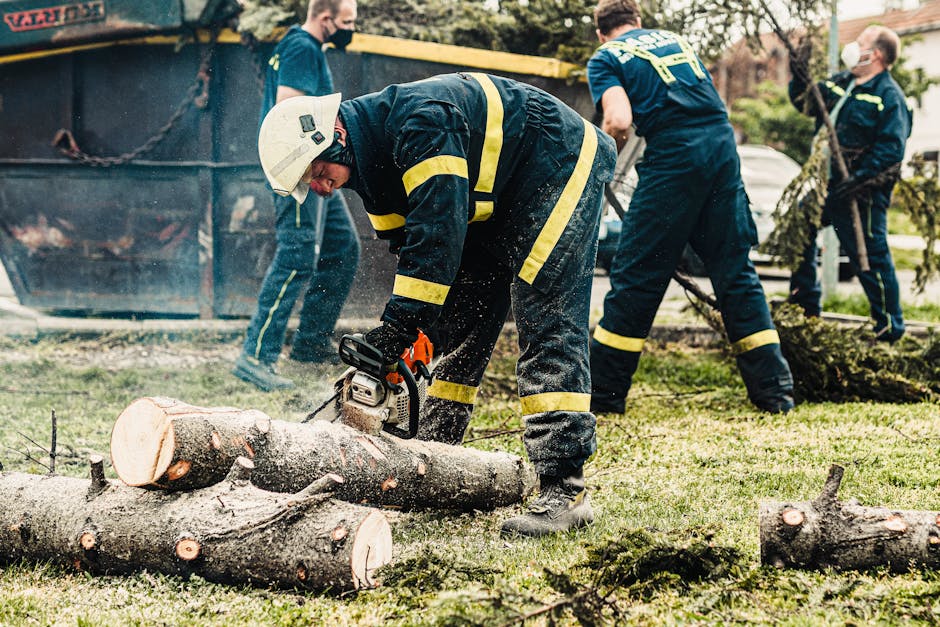
Once on site, the first job is usually a safety assessment. This is not overcautious box-ticking. It is the part that stops a bad situation from becoming a worse one. The team checks the lean, the root plate, obvious splits, hanging branches, and nearby hazards. If the tree is unstable, they may work in sections rather than trying to bring it down in one go. In practice, this often means taking off dangerous limbs first, then reducing the stem, then clearing the debris.
For larger or more complex trees, emergency removal may sit alongside other services such as tree lopping and removal, and after the immediate danger is dealt with, the remaining waste can sometimes be handled as part of garden clearance. If the issue came after storm damage or a general build-up of neglected growth, the next step might be some planned garden maintenance to stop the same thing happening again. Sensible, really.
Sometimes the answer is not full removal. Sometimes it is a temporary make-safe, a reduction, or a staged dismantle. A decent provider will explain that clearly rather than pushing the biggest job. That distinction is worth paying attention to.
Key Benefits and Practical Advantages
The obvious benefit is safety, but there are several others that are easy to miss when you are focused on the immediate mess.
- Reduced risk to people and property - dangerous branches, unstable trunks, and root failures are dealt with before they cause more damage.
- Faster restoration of access - driveways, side passages, front entrances, and shared paths can often be cleared the same day.
- Less secondary damage - the sooner unstable timber is removed, the less likely it is to crush fencing, brickwork, sheds, or paving.
- Clear next-step advice - after the emergency work, you should know whether stump grinding, further pruning, or follow-up landscaping is needed.
- Better decision-making under pressure - a professional assessment can tell you whether the tree can be saved or whether removal really is the safest option.
There is also peace of mind. That sounds a bit soft, perhaps, but it is not. If you have spent a night listening to branches creak in the wind, or watched a tree lean a little more after each heavy shower, you know exactly how distracting it can be. Removing that uncertainty matters.
One practical side benefit: emergency tree work often creates a cleaner starting point for the rest of the garden. Once the hazard is gone, you may find it easier to repair borders, straighten access routes, or bring the area back into shape with hedge trimming, mowing, or longer-term landscaping. You can see the full range of related services through the services overview.
Who This Is For and When It Makes Sense
This service is for anyone dealing with a tree that cannot safely wait for a routine appointment. That may be a homeowner, a landlord, a managing agent, a business owner, or a neighbour who is trying to keep a shared access route safe. It also applies if the issue is on your boundary and the tree's condition is affecting your side of the property.
It makes sense to seek emergency help if you notice:
- a tree leaning suddenly after wind or rain
- large cracks in the trunk or major limbs
- branches hanging loose, split, or partially detached
- roots lifting from the ground
- a tree blocking access, driveways, or exits
- visible impact damage from a vehicle or falling object
- the tree touching a roof, fence, wall, or outbuilding in a new way
If the tree is near power lines or you suspect any immediate electrical danger, do not try to inspect it closely yourself. Keep people away and wait for the right professionals to assess the situation. It sounds obvious, but in a stressed moment people often wander too close for a better look. Human nature, unfortunately.
For some properties, the problem is not just the tree itself but the wider aftermath of neglect. Overgrown hedges, poor access, slippery paths, and old debris can all make emergency work more awkward. In those cases, supporting services like hedge trimming or even a broader clean-up through garden clearance may become part of the longer-term fix.
Step-by-Step Guidance
If you think you need emergency tree removal, keep the next steps simple. Do not overcomplicate it. A clear sequence helps everyone.
- Keep people away from the hazard. Close gates, avoid the area beneath the tree, and keep children and pets clear.
- Look from a safe distance only. You can note obvious damage, movement, or nearby obstructions without going under the canopy.
- Gather a few useful details. Take a couple of photos from a safe position, note the location, and describe what changed.
- Contact a professional quickly. Explain that the job may need same-day attention and give the clearest picture you can.
- Ask what the first assessment will cover. A good provider will talk you through safety, access, likely equipment, and whether the tree can be removed or only made safe first.
- Prepare access if it is safe to do so. Move vehicles, unlock side entrances, and make it easier to reach the garden.
- Confirm what happens after removal. Clarify whether debris is taken away, whether the stump stays, and whether follow-up work is recommended.
If you are also comparing practical and financial details, it is worth looking at pricing and quotes early in the process. Emergencies can vary a lot in complexity, and a responsible provider will usually explain what affects the cost rather than throwing out a vague number and hoping for the best.
One small but useful habit: keep your phone charged. It sounds trivial, I know, but emergency jobs often involve photos, access calls, and quick decisions while weather or daylight is fading. At 5:30 pm in a wet London evening, that little battery icon suddenly matters a great deal.
Expert Tips for Better Results
After enough emergency calls, certain patterns show up again and again. Here are the things that tend to make the biggest difference.
- Describe the risk, not just the tree species. Saying "the tree is huge" is less helpful than saying "the top half is split and hanging over the shared path."
- Be clear about access. Narrow side passages, locked gates, basement steps, and rear-only access can affect how quickly work starts.
- Ask whether a make-safe visit is possible. Sometimes the first priority is stabilising danger, with full removal done straight after.
- Check what will be removed from site. Branches, trunk sections, sawdust, and smaller arisings are not always handled the same way unless agreed in advance.
- Think about what caused the failure. Storm damage, disease, rot, and root disturbance all point to different follow-up actions.
- Consider the wider garden layout. If the tree fell into planting beds, fences, or hard landscaping, you may need restoration work after the hazard is gone.
There is also a trust point here. A good emergency arboricultural response does not talk as if every tree has to come down. Sometimes a tree can be reduced, stabilised, or observed instead of removed. That measured approach is a good sign. It shows judgment, not just muscle.
If sustainability matters to you, you may also want to ask how green waste is handled after the job. The team's recycling and sustainability information is useful for understanding how garden waste is treated more broadly. It is a small thing on a bad day, but small things add up.
Common Mistakes to Avoid
Emergency situations make people do hurried things. Fair enough. Still, a few mistakes show up often enough to be worth naming plainly.
- Trying to prune dangerous limbs yourself. A partially split branch can move unpredictably. Ladders and wet ground make that risk worse.
- Standing too close to inspect damage. If the trunk is cracked or the roots are lifting, the tree can shift without warning.
- Waiting for the weather to improve before calling. Sometimes that just means the damage gets worse in the meantime.
- Assuming every problem needs complete removal. Not always true. A proper assessment may show a less drastic option.
- Forgetting about neighbours. If the tree affects a shared wall, access point, or boundary, communication helps prevent friction later.
- Ignoring the aftermath. A cleared hazard is good, but loose debris, unstable stumps, or damaged paving can still cause problems.
And one more, because it comes up a lot: do not let anyone convince you that a quick cut is the same as a safe cut. It is not. Not even close.
Tools, Resources and Recommendations
Emergency tree work relies on the right tools, but the important part is how they are used. Chainsaws, rigging gear, climbing equipment, lowering systems, and protective gear all have their place. In the hands of an experienced team, they help remove dangerous material in a controlled way. In the wrong hands, they become part of the problem.
For readers trying to choose a provider, here is what to look for in a practical sense:
- Clear communication - you should be able to explain the issue without getting muddled by jargon.
- Safety-first thinking - look for a calm approach to risk, access, and site control.
- Transparent expectations - you should know what happens during the visit, what is included, and what may cost extra.
- Follow-up guidance - useful recommendations after the emergency, not just a van pulling away.
- Relevant service fit - for example, if the issue is part of wider garden neglect, related support such as garden maintenance or landscaping may help restore the area properly.
If you are unsure what level of work you need, the most practical route is to describe the hazard plainly and ask for advice. You do not need to know the technical terms. "A branch is hanging over the patio and I can see a split near the base" is perfectly fine. In fact, that is often better than a polished but vague description.
For broader operational and reassurance details, the health and safety policy and insurance and safety information are the sort of pages people often check before booking. Sensible habit, that.
Law, Compliance, Standards, or Best Practice
Tree work in the UK is not something to treat casually. Depending on the tree, its location, and the property context, there may be permissions, ownership issues, conservation considerations, or responsibilities connected to neighbours and boundaries. This article cannot tell you the legal position for every site, because that depends on the property and the local context. What it can do is point you toward careful practice.
As a rule, a responsible emergency tree removal service should:
- carry out a sensible on-site risk assessment before starting work
- use suitable protective equipment and controlled methods
- avoid unnecessary damage to surrounding property
- handle waste safely and keep the site tidy
- be honest where a tree needs further inspection before any major cut is made
Where trees are protected or where there are planning or boundary issues, it is wise to pause and get the right advice before irreversible work begins, unless there is an immediate safety issue that clearly justifies emergency action. Best practice is usually a mix of speed and restraint. The tree may need to come down quickly, but that does not mean the process should be careless.
You can also review the provider's general terms and conditions and complaints procedure if you want a fuller sense of how service issues are handled. That is not exciting reading, admittedly, but it is part of a trustworthy booking decision.
Options, Methods, or Comparison Table
Not every urgent tree issue needs the same response. The method depends on how unstable the tree is, what it is threatening, and how much access the team has. Here is a simple comparison to help make sense of the options.
| Option | Best for | Typical advantage | Main limitation |
|---|---|---|---|
| Full emergency removal | Severely unstable, fallen, or irreparably damaged trees | Removes the hazard quickly | May require more access and cleanup |
| Sectional dismantling | Trees near buildings, fences, or narrow access routes | Controlled and safer in tight spaces | Usually takes more time than a straight fell |
| Make-safe reduction | Immediate danger, but full removal needs a second stage | Reduces risk fast | May not solve the issue permanently |
| Follow-up garden restoration | When the tree has damaged borders, paths, or planting areas | Helps the garden look and function properly again | Usually separate from the emergency removal itself |
If the tree issue is tied to a broader outdoor refresh, related services like lawn mowing or landscape gardening may be useful afterwards. It is often easier to deal with the emergency first and then tidy the rest in a second pass. That is usually the sane approach.
Case Study or Real-World Example
Here is a realistic example based on the sort of situation people in Whitechapel often face, without dressing it up into something theatrical.
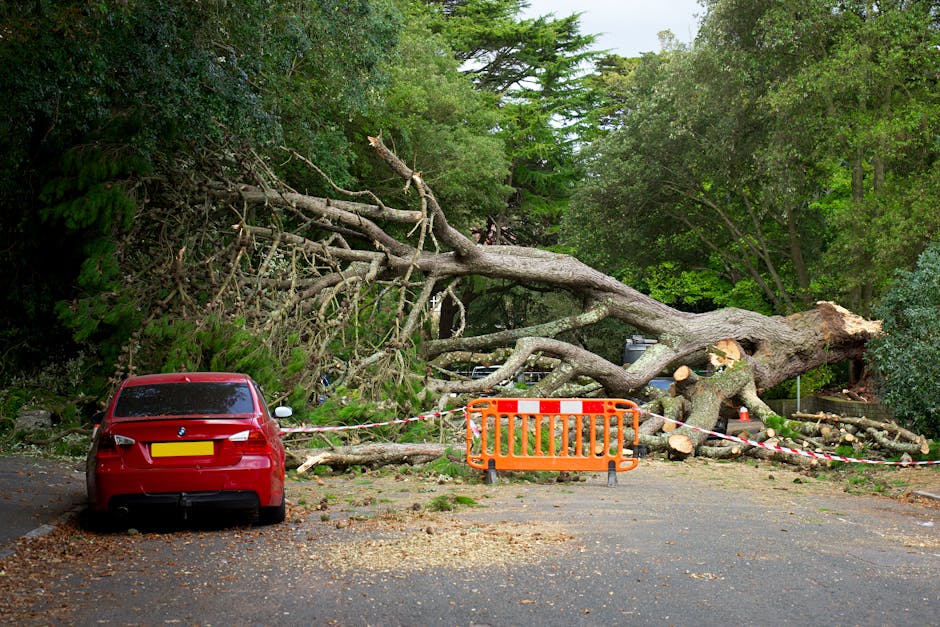
After a windy night, a homeowner notices that the top of a medium-sized tree has split and one heavy limb is resting awkwardly over the rear patio. The branch is not completely down, but it is visibly strained. There is a shed nearby, a narrow side return, and the neighbour's fence sits only a short distance away. The homeowner does the sensible thing: keeps everyone away from the patio, takes a couple of photos from the back door, and calls for same-day help.
On arrival, the tree is assessed from a safe angle. The split is serious enough that waiting is not wise. Instead of trying to drag the limb down, the team dismantles it carefully in sections, removes the remaining unstable material, and clears the debris from the patio and access path. The stump and lower trunk are left in a safe state for later follow-up, and the homeowner is told what to check over the next few days in case hidden damage becomes more visible.
That kind of response is what people usually want: no drama, no guesswork, and no heroic nonsense. Just a safe outcome and a clear next step.
Practical Checklist
Use this quick checklist if you think you may need urgent help.
- Stay away from the tree and keep others clear
- Check whether the tree is leaning, split, or partially fallen
- Look for damaged roots, hanging branches, or contact with buildings
- Take safe photos if they will help explain the problem
- Note whether access is from the front, side, or rear garden
- Make sure pets and children are moved away from the area
- Ask whether the job needs a make-safe visit or complete removal
- Confirm debris removal, stump handling, and any follow-up work
- Review relevant service information such as pricing and quotes if you need a clearer idea of the likely scope
- Keep the area closed off until you are told it is safe
Expert summary: When a tree turns dangerous, the smartest move is not to improvise. Keep people clear, describe the risk plainly, and get a professional to assess whether the job needs full removal, sectional dismantling, or a make-safe first. Fast is good. Safe is better.
Get a free quote today and see how much you can save.
Conclusion
Emergency tree removal is one of those services people hope they never need, until suddenly they do. Then it becomes very clear why same-day response matters. A damaged tree can threaten safety, block access, and create a lot of unnecessary stress in a short time. The right approach is calm, practical, and safety-led: assess first, act decisively, and leave the site in a better state than it was found.
If you are dealing with storm damage, a dangerous lean, or a broken limb that just will not wait, the sensible next step is to get it assessed properly and quickly. And if the tree problem is part of a bigger garden issue, that can be handled too, one step at a time. Truth be told, gardens recover well when the urgent stuff is dealt with cleanly.
For reassurance and a straightforward way to start, you can use the contact page to make an enquiry and discuss the situation. That first call is often the point where the panic drops a notch. Which, after a rough day, is no small thing.
Frequently Asked Questions
How quickly can emergency tree removal be arranged in Whitechapel?
Same-day attendance is often possible when the tree poses an immediate safety risk, but it depends on the time of call, access, weather, and the complexity of the job. A clear description helps speed things up.
Do I need to remove the whole tree if it has been damaged in a storm?
Not always. Sometimes only a dangerous limb needs to be removed, or the tree can be made safe first and fully dealt with later. A proper inspection decides that, not guesswork.
What counts as a tree emergency?
Typical emergencies include a tree leaning suddenly, split trunks, hanging branches, root lift, blocked access, or damage threatening a building, fence, or path. If it feels unsafe, treat it seriously.
Can I cut the branch myself if it is only partially broken?
It is usually best not to. Partially detached wood can move unpredictably, and a bad angle or unstable footing can turn a simple-looking job into a dangerous one very fast.
Will emergency tree removal include waste clearance?
Often yes, but it is worth confirming. Debris, trunk sections, and smaller arisings may all be handled differently unless the scope is made clear at the start.
What if the tree is near a neighbour's fence or wall?
That is common in London gardens. A careful team will work with the available space, use controlled dismantling where needed, and try to reduce the risk of collateral damage.
How do I know if the tree can be saved?
A tree with limited damage may be recoverable, but major splitting, severe lean, or extensive root failure can point to removal being the safer option. An on-site assessment is the only reliable way to know.
Are emergency tree jobs more expensive than planned removals?
They can be, because urgency, out-of-hours timing, complex access, and immediate safety measures all affect the work required. The best way to handle this is to ask for a clear explanation of the factors involved.
Should I stay inside while the work is happening?
Usually yes, unless the team asks for access or you need to be available for a specific decision. It is generally best to keep children, pets, and bystanders away from the work area.
What happens if the tree is protected or subject to special restrictions?
That can change the approach, but urgent safety issues are still taken seriously. The right provider will explain carefully where emergency action is appropriate and where further checks are needed before major work.
Can emergency tree removal be combined with other garden services later?
Yes. Once the danger is dealt with, it often makes sense to schedule follow-up work such as hedge trimming, garden clearance, or garden maintenance so the whole space is back in good order.
How do I prepare before the team arrives?
Keep the area clear, move vehicles if it is safe to do so, unlock access gates, and keep pets inside. A few minutes of simple preparation can make the visit smoother and safer.