Whitechapel Road Garden Maintenance Guide for Terraced Homes
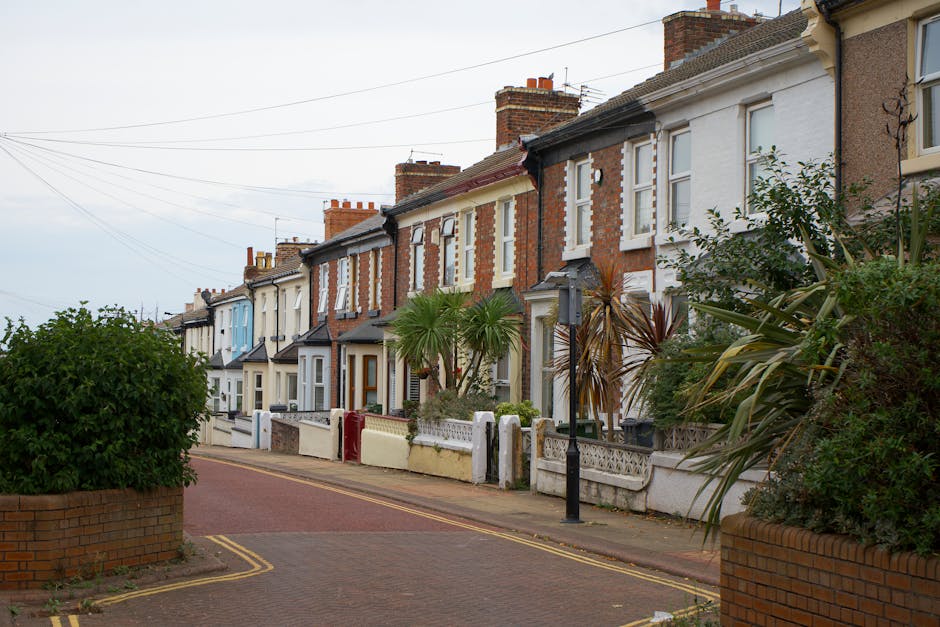
If you live in a terraced home near Whitechapel Road, you already know the garden can be a blessing and a challenge at the same time. Space is tight, neighbours are close, access can be awkward, and a small patch of soil can turn messy faster than you'd expect after a wet week. This Whitechapel Road garden maintenance guide for terraced homes breaks the job into simple, realistic steps so you can keep the space healthy, tidy, and genuinely usable without making it feel like a second job.
Whether you have a compact rear courtyard, a narrow strip of paving, or a small raised bed that always seems to collect leaves, the principles are the same: keep growth under control, protect surfaces, reduce clutter, and build a routine that fits terrace life. Let's face it, nobody wants to spend every Sunday wrestling ivy, moss, and bins.
Contents
- Why this matters for terraced homes
- How garden maintenance works on Whitechapel Road
- Key benefits and practical advantages
- Who this is for and when it makes sense
- Step-by-step guidance
- Expert tips for better results
- Common mistakes to avoid
- Tools, resources and recommendations
- Law, compliance, standards and best practice
- Options, methods and comparison table
- Case study or real-world example
- Practical checklist
- Conclusion
- Frequently asked questions
Why Whitechapel Road Garden Maintenance Guide for Terraced Homes Matters
Terraced gardens in this part of London tend to share a few traits: limited width, patchy light, hard surfaces that show dirt quickly, and very little tolerance for neglect. A few missed weeks can mean weeds pushing through joints, hedges leaning into walkways, or a lawn that becomes more moss than grass. In a terrace, the garden is not just a decorative extra. It often doubles as storage space, a quiet break from the road, and a small buffer between home and street life.
That is why maintenance matters more here than in a larger suburban garden. Small spaces make every detail visible. A broken trellis, a sagging fence panel, or a pile of clipped growth can make the whole area feel cramped. On the other hand, regular attention makes even a tiny garden feel calm and intentional. You notice the light more. You hear the birds. It sounds simple, but it changes how the home feels.
There is also a practical side. Terraced properties often have shared boundaries, close neighbours, and narrow access. If the garden becomes overgrown, jobs like clearing waste, trimming shrubs, or carrying tools in and out get harder fast. Consistent maintenance reduces stress and prevents those awkward, expensive catch-up jobs that nobody enjoys.
Expert summary: for terraced homes, the best garden maintenance plan is not the fanciest one. It is the one you can repeat week after week without turning it into a weekend takeover.
How Whitechapel Road Garden Maintenance Guide for Terraced Homes Works
Good maintenance for a terraced garden usually follows a simple rhythm: inspect, clear, cut back, tidy, and protect. The key is to work with the space you have, not against it. In a small garden, overworking the design can be as unhelpful as ignoring it. A tidy layout and a steady routine will do more than a complicated makeover that is difficult to keep up with.
For many homes near Whitechapel Road, maintenance includes a mix of soft landscaping and practical upkeep. That may mean mowing a compact lawn, pruning shrubs, controlling climbers, sweeping paved areas, and removing waste before it builds up. If the garden has a deck or timber feature, you will also want to keep an eye on slippery build-up, loose boards, and general wear. If you need help with structured upkeep, the service page for garden maintenance is a sensible place to start.
The work itself usually breaks into three layers:
- Weekly touch-ups such as sweeping, watering, and quick weed removal.
- Monthly care like edging, deadheading, pruning soft growth, and checking structures.
- Seasonal jobs including heavier clearance, planting, hedge work, and dealing with fallen leaves.
That structure matters because terraced gardens often change character with the seasons. A shaded courtyard can stay damp for ages in spring, then feel dusty and exposed in summer. A maintenance plan that adapts to the weather will always work better than a rigid one. Truth be told, the garden will usually tell you what it needs if you look at it closely enough.
Key Benefits and Practical Advantages
Regular maintenance in a terraced garden gives you more than a neat-looking space. It protects surfaces, reduces hazards, and helps you make better use of a relatively small footprint. When the space is well kept, you can actually enjoy it instead of just apologising for it.
- Better use of limited space: tidy edges, controlled planting, and clear walking routes make the garden feel larger.
- Less long-term repair work: blocked drains, trapped moisture, and unchecked roots can lead to bigger issues later on.
- Improved safety: mossy paving, loose branches, and cluttered paths can all become trip risks.
- Healthier planting: consistent pruning, feeding, and watering give plants a much better chance in a confined garden.
- Better neighbour relations: keeping growth under control reduces the chances of overhang, litter, and complaints.
- Lower stress: a predictable routine means the garden stops becoming a looming chore.
There is another benefit that people often miss. A tidy terraced garden is easier to adapt. If you want to add seating, move pots around, or create a more private corner, you can do it without first clearing a jungle. That flexibility is useful, especially in a home where the outside space may need to serve more than one purpose.
For properties where the garden has become a bit unruly, a one-off reset through garden clearance can give you a clean starting point before you settle into a manageable routine again.
Who This Is For and When It Makes Sense
This guide is for anyone managing a terrace garden that needs practical upkeep rather than a dramatic redesign. It suits homeowners, landlords, tenants with permission to maintain the space, and anyone looking after a family property where time is limited and the outdoor area is modest but important.
It makes sense to follow a structured maintenance approach if:
- your garden is narrow, shared, or overlooked by neighbouring homes;
- you have paving, decking, or mixed surfaces that collect dirt quickly;
- plants are growing faster than you can keep up with;
- you only have short windows of time for upkeep;
- you want the garden to look respectable all year, not just after a big tidy-up.
It also makes sense if you are preparing to sell, rent out, or simply reclaim a space you have not been using properly. A small terrace garden can be a real asset, but only if it is kept in shape. If you have ever stepped outside in early evening, looked at a patch of nettles and thought, "I'll sort that later," you are in the right place. Later has a habit of becoming next month.
People with limited mobility, busy family routines, or no desire to maintain tools and waste removal may prefer to arrange ongoing help instead of trying to tackle everything themselves. That is especially true where access is awkward or the work involves repetitive cutting and heavy lifting.
Step-by-Step Guidance
Here is a practical way to maintain a terraced garden near Whitechapel Road without overcomplicating it. Start small. Keep the order consistent. And don't try to do everything in one go unless you genuinely have the time and energy for it.
1. Walk the space first
Before you cut, sweep, or prune anything, take one slow walk through the garden. Look for trip hazards, weak fence panels, standing water, overgrown corners, and blocked drainage points. This takes five minutes and saves a lot of backtracking later.
2. Remove obvious waste and clutter
Pick up fallen branches, broken pots, dead foliage, and anything that has blown in from elsewhere. Terraced gardens pick up mess quickly because they are often exposed to foot traffic, bin storage, and shared boundaries. A clear surface helps you see what is actually happening in the space.
3. Tackle weeds and self-seeded growth
Weeds are easiest to remove when they are still small. In paved gardens, check cracks, edging, and corners where soil collects. In planted beds, be careful not to disturb roots from plants you want to keep. If growth has really taken hold, a more thorough reset may be needed before routine maintenance can work properly.
4. Cut back plants with a clear purpose
Pruning should improve shape, airflow, and access. Avoid the temptation to "just chop it all back" unless a plant genuinely needs hard reduction. Many shrubs respond better to measured trimming than aggressive hacking. If you have hedges or boundary planting, a neat line can make the whole garden feel sharper and brighter. For formal boundary work, hedge trimming is often worth using as a specialist task rather than leaving it to guesswork.
5. Refresh paths, paving, or decked areas
Sweep away debris, remove moss where safe to do so, and check for slippery patches after damp weather. In small gardens, hard landscaping gets a lot of use, and because it is so visible, grime stands out more than it would in a larger space. If you have timber underfoot, keep an eye on wear and general stability.
6. Mow or edge the lawn if you have one
Terraced lawns are often small, but they can still dominate the look of a garden if they are not kept tidy. A clean edge does a surprising amount of visual work. If mowing is part of your routine, the dedicated lawn mowing service may be useful when the grass starts to get away from you.
7. Water, feed, and mulch where needed
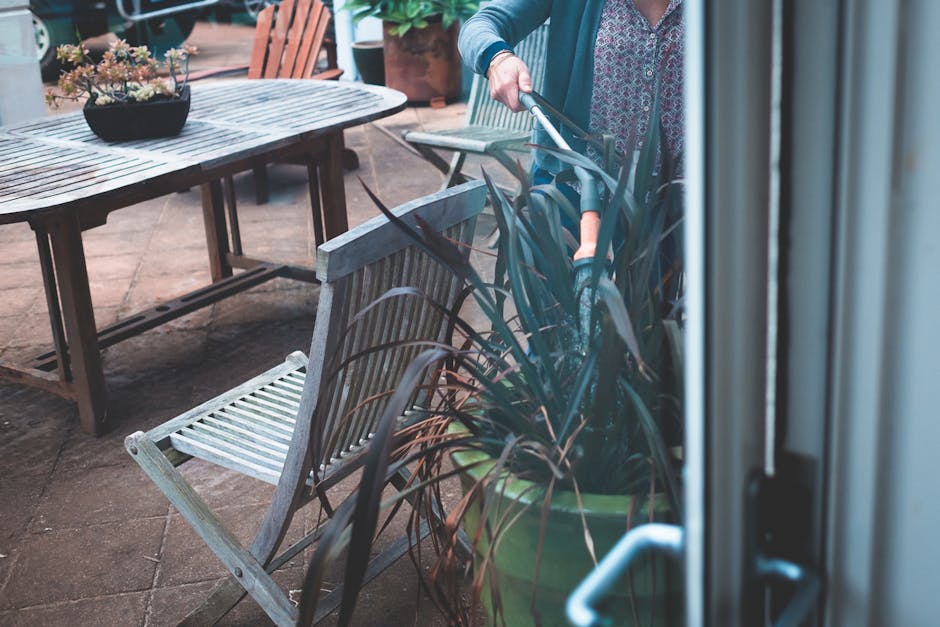
Container plants and compact beds dry out faster than many people expect. During warmer spells, check moisture rather than assuming the soil is fine because the top looks damp. Mulch can help retain water and slow weed growth, which is handy in small gardens where every square metre matters.
8. Finish with a full tidy-up
Gather green waste, wipe down tools, and put everything back in a logical place. Small spaces get messy fast if the tools are scattered around. A final sweep changes the whole feel of the garden. It is a small thing, but it matters.
Expert Tips for Better Results
There are a few habits that make terrace garden maintenance much easier over time. None of them are flashy. Most are the kind of thing you only appreciate after a couple of seasons of trial and error.
- Work from the back forward: it helps you avoid walking over freshly cleared areas.
- Use containers strategically: pots can bring colour without stealing precious ground space, but too many of them quickly create clutter.
- Choose plants with restraint: compact, shade-tolerant, and low-maintenance planting usually suits terraced gardens better than thirsty or sprawling varieties.
- Keep tools basic but sharp: a decent pair of secateurs, a hand fork, gloves, a broom, and a small rake will handle a lot.
- Trim little and often: regular light work is easier than an occasional dramatic cutback.
- Think about sightlines: if the eye can travel to the end of the garden, the space feels bigger.
One practical tip that often gets overlooked is to set a "minimum standard" for the garden. For example: paths swept, weeds removed, bins tidy, and one visible focal point looking decent. If the garden meets that standard, it already feels respectable even if not every plant is perfect. That is very normal in real life, by the way.
If your space includes structural elements like fencing, raised borders, or a small deck, it can help to combine maintenance with light improvement work through landscaping or more targeted landscape gardening if the layout itself is working against you.
Common Mistakes to Avoid
Most garden problems in terraced homes do not begin as big disasters. They start with small, repeated oversights. A few of these are especially common near compact urban homes.
- Waiting too long between visits: a neglected small garden can turn into a major job very quickly.
- Over-pruning: removing too much at once can stress plants and leave the garden looking bare.
- Ignoring drainage: water pooling in a tiny garden becomes a nuisance fast, especially near paving.
- Letting waste sit around: clipped branches and leaf piles attract pests and make the space feel smaller.
- Using the wrong plants for the light: some terrace gardens are brighter than they look, others are shaded almost all day.
- Forgetting access routes: if you cannot easily move tools and waste in and out, maintenance becomes exhausting.
A subtle mistake, but a common one, is designing for the perfect summer day rather than for the rest of the year. In London, damp weeks, grey light, and sudden bursts of growth are part of the deal. Gardens need to look good on ordinary Tuesdays, not only in June sunshine.
If the space has become difficult to manage because of deeper issues, such as unstable trees or heavy overgrowth, a more specialist review through tree lopping and removal may be the safer option. That is not a job to improvise with a ladder and optimism.
Tools, Resources and Recommendations
You do not need a shed full of kit to keep a terraced garden in good shape. In fact, too much equipment can become part of the problem. A compact, practical toolset is usually best.
| Tool or resource | Best use | Why it helps in a terraced garden |
|---|---|---|
| Slim rake or hand rake | Leaf and debris removal | Easy to use in narrow spaces and around pots |
| Sharp secateurs | Light pruning and deadheading | Gives cleaner cuts and reduces plant damage |
| Stiff broom | Sweeping paving or decking | Fast clean-up for visible surfaces |
| Watering can or hose with control | Targeted watering | Useful for container plants and small beds |
| Heavy-duty garden gloves | Protection during clearance work | Helps when handling thorny or rough growth |
| Waste bags or trugs | Moving green waste | Makes removal faster in tight access areas |
For homeowners who would rather hand over regular upkeep, a recurring service can be a better use of time than buying more equipment. The exact schedule depends on how fast your plants grow, how much paving you have, and whether the garden gets heavy use. If you want a broader view of the available work, the services overview page can help you see how maintenance fits alongside other outdoor improvements.
If sustainability matters to you, think about composting suitable green waste, reducing disposable materials, and choosing long-lasting materials for borders and surfaces. The site page on recycling and sustainability is a useful reference point for that broader mindset.
Law, Compliance, Standards and Best Practice
Garden maintenance is usually straightforward, but in a terraced setting there are a few practical compliance points worth keeping in mind. These are less about paperwork and more about being a considerate, safe neighbour and homeowner.
First, check ownership and permission before starting any substantial work. If you rent, share access, or have an unusual boundary arrangement, make sure you know who is responsible for what. Second, avoid creating nuisance with cuttings, noise, or waste placed where it might block neighbours or shared access. Third, be careful with trees, boundary plants, and anything that may affect adjacent properties. In close terraces, a small change can have a wider impact than you think.
Safety matters too. Use stable footing, appropriate gloves, and sensible lifting technique when clearing heavy waste. If something looks beyond basic maintenance, such as unstable branches, rotten timber, or a slipping surface, it is better to pause than to push on. A professional approach should always include clear health and safety practices, proper insurance, and transparent working methods. If you want to understand how those issues are handled, see health and safety policy and insurance and safety.
From a best-practice point of view, the standard is simple: keep the garden tidy, avoid unnecessary damage, dispose of waste properly, and reduce risk to people and property. That sounds obvious, I know. But obvious things are often the first to get skipped when the garden starts to feel overwhelming.
Options, Methods and Comparison Table
There is more than one way to keep a terrace garden in good condition. The right approach depends on time, budget, and how much hands-on work you want to do yourself. Here is a straightforward comparison.
| Approach | Best for | Pros | Trade-offs |
|---|---|---|---|
| DIY weekly upkeep | Very small, simple gardens | Low cost, flexible, immediate control | Takes time and can become inconsistent |
| Monthly professional maintenance | Busy households and growing gardens | Reliable, tidy results, less stress | Needs a budget and scheduling |
| Seasonal deep maintenance | Gardens that only need periodic resets | Good for catch-up work and bigger clear-outs | Problems may return if no routine follows |
| Maintenance plus light landscaping | Gardens with awkward layout or poor access | Improves usability and reduces future effort | Requires a bigger initial decision |
If you are unsure where to start, a sensible rule is this: if the garden looks tidy for only a few days after work, the layout may need a little more than routine care. That is where a thoughtful combination of upkeep and design can pay off. And yes, small gardens sometimes need surprisingly smart solutions.
Case Study or Real-World Example
Imagine a narrow terraced garden off Whitechapel Road with paving at the back, a short run of fence, a few pots, and one small lawn area. The owners use it for drying clothes, occasional coffee breaks, and storage of a fold-up chair and a watering can. Over time, the pots become crowded, weeds appear in the paving joints, and a climber starts creeping into the boundary line.
The first maintenance visit focuses on clearance rather than polishing. The garden is swept, dead material is removed, the climber is cut back to manageable growth, and the paving is cleaned enough to show its condition properly. The lawn is edged, the pots are reorganised, and the owners are shown which plants need regular trimming and which can be left alone. Nothing dramatic. Just sensible order.
Two weeks later, the space already feels different because it is easier to walk through and easier to keep clean. A month later, maintenance becomes lighter because the baseline is no longer chaos. That is the real win. Not perfection. Usability.
In cases like this, the owners often decide to keep a recurring routine and call in help only when things drift. That tends to work well for terraced homes where every square metre has to earn its keep.
Practical Checklist
Use this checklist as a quick reference before or after each maintenance session.
- Paths, paving, and steps are swept and safe to walk on
- Weeds have been removed from cracks, edges, and beds
- Plants are trimmed without being overcut
- Hedges and boundary growth are under control
- Leaves, cuttings, and waste are bagged and removed
- Watering points and drains are clear
- Containers are arranged neatly and not overcrowding the space
- Decking, fences, and borders have been visually checked
- The garden still feels easy to move through
- There is a plan for the next visit, not just the current one
If you can tick most of those off without too much effort, your maintenance routine is probably in a good place. If not, no drama. It just means the garden needs a more structured reset.
Get a free quote today and see how much you can save.
Conclusion
A terraced garden near Whitechapel Road does not need to be large to be valuable. In many homes, it is the one quiet outdoor spot that softens the day, gives you a little breathing space, and adds something genuinely useful to the property. The trick is keeping it under control without making maintenance feel relentless.
The best approach is simple: clear regularly, prune with restraint, keep surfaces tidy, and treat the garden as an everyday space rather than a once-a-year project. If the layout is awkward or the growth has got ahead of you, consider a reset and then move into a lighter routine. Small gardens reward consistency more than ambition. Always have, really.
When the space is cared for properly, even a compact terrace garden can feel restful, practical, and quietly proud. And that is worth keeping going.
Frequently Asked Questions
How often should a terraced garden on Whitechapel Road be maintained?
For most small terraced gardens, a light weekly tidy and a more detailed monthly session works well. During peak growing months, you may need to trim and sweep more often. If the garden is mostly paved, the routine may be lighter, but weeds and moss still need attention.
What is the biggest challenge with terraced home gardens?
The biggest challenge is usually space. Narrow access, shaded corners, and close boundaries make it harder to work efficiently. After that, it is often moisture, weeds, and the speed at which clutter builds up in a small area.
Can I manage a terraced garden myself?
Yes, many people can manage the basics themselves if the garden is simple and small. The key is consistency. If you only have time for short sessions, a simple routine is better than trying to do everything in one exhausted Saturday afternoon.
When should I consider professional garden maintenance?
It makes sense to bring in help when the garden is becoming too time-consuming, when growth is out of control, or when you want a neat standard without doing the physical work yourself. It is also a sensible choice if access is awkward or the garden needs a proper reset.
What should be prioritised first in a neglected terraced garden?
Start with safety and access. Clear trip hazards, remove waste, and open up paths. After that, deal with weeds and overgrown plants. Once the basics are under control, the space becomes much easier to improve.
Do small terraced gardens need lawn care?
If you have a lawn, yes, even a small one needs care. Small lawns can look untidy very quickly if they are not mown and edged regularly. If mowing starts to feel like a chore, a dedicated lawn service can save time and keep the space looking sharp.
How do I stop weeds coming back so quickly?
You will not stop them completely, but you can reduce the problem by removing them early, keeping surfaces swept, filling cracks where appropriate, and using mulch in planted areas. The quicker you remove new growth, the less work it becomes later.
Is hedge trimming necessary in a small terrace garden?
If you have hedges or boundary shrubs, yes. Even a short hedge can make a garden feel cramped if it is left to sprawl. Regular trimming keeps sightlines open and stops plants from becoming a nuisance to neighbouring properties.
What is the best way to dispose of garden waste?
Bag it neatly, separate reusable material if needed, and dispose of it in line with local rules or your chosen service arrangement. Avoid leaving cuttings piled up for days, because they start to smell damp and make the garden feel neglected very quickly.
Should I clean decking or paving as part of garden maintenance?
Yes, because hard surfaces are part of how the garden functions. Dirt, moss, and algae can make paths and decking slippery or dull. A sweep and clean are usually enough for routine upkeep, but more stubborn build-up may need a deeper clean.
What if the garden has become too overgrown for normal maintenance?
That is when a clearance-first approach is usually best. Once the overgrowth is removed and the structure of the space is visible again, a normal maintenance schedule can take over. Trying to maintain a garden that has already slipped too far can be frustrating, to put it mildly.
How do I know whether my garden needs maintenance or landscaping?
If the space is basically working but messy, maintenance is the answer. If the layout is awkward, the planting is poorly placed, or access is difficult, then some level of landscaping may be worth considering. In practice, many terraced gardens need a bit of both over time.
Can regular maintenance improve the value of a terraced home?
It can improve first impressions and make the property feel better cared for. While garden maintenance is not the only factor in value, a tidy and usable outdoor space usually helps a home present well. That matters to buyers, tenants, and you as the person living there.
How do I keep a small garden looking good in winter?
Focus on structure. Keep paving clean, remove dead material, prune lightly where needed, and use evergreen plants or tidy containers for interest. In winter, a small garden benefits more from order and shape than from lots of extra planting.
For tailored support, service options, or a clearer idea of what is possible for your space, you can also review pricing and quotes or learn more about the team through about us. If you are ready to talk through the details, the easiest next step is to get in touch via contact us.